
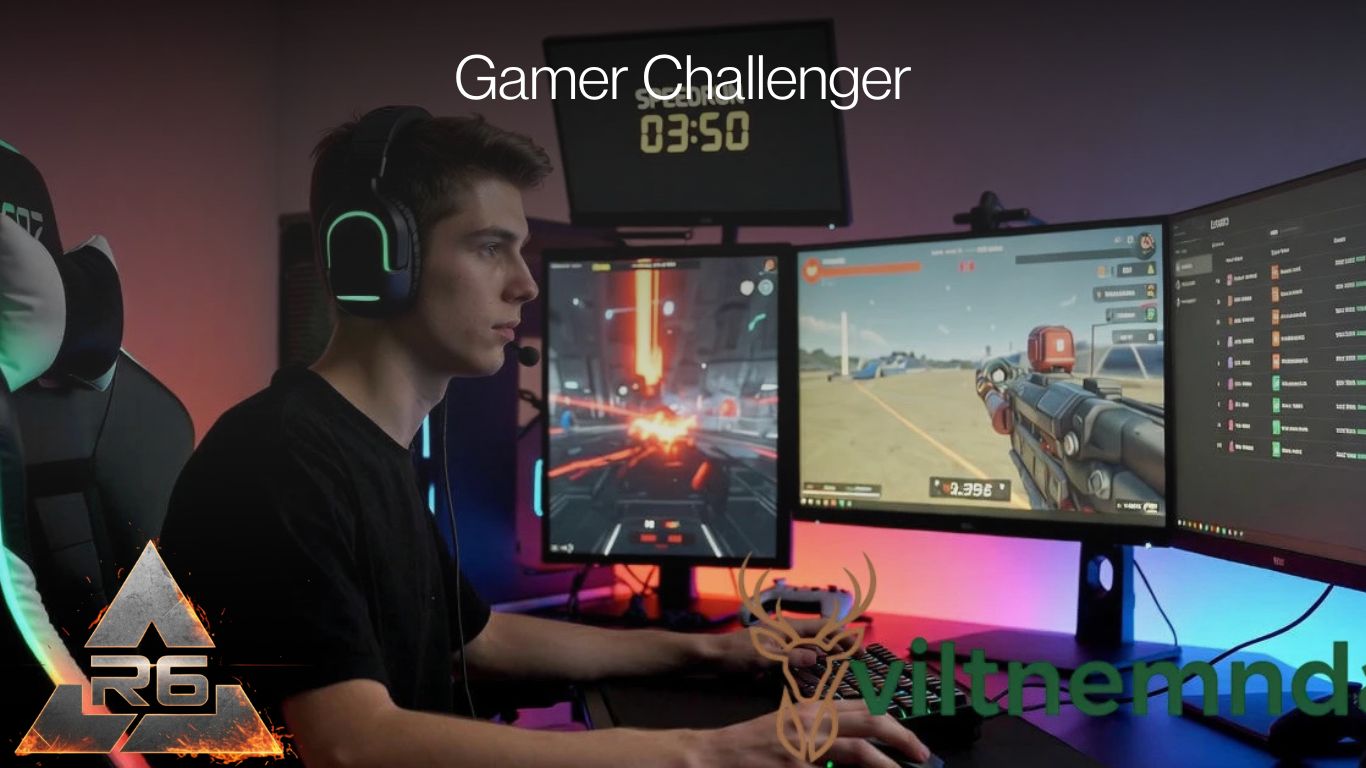
Esports has grown massively in recent years. Platforms now host millions in tournaments. From amateur leagues to pro circuits, these spaces let players test their mettle. The Gamer Challenger mindset fits right in. It builds resilience and sharpens focus.
This guide covers the basics of what makes a Gamer Challenger. You’ll learn the perks, from better reflexes to potential earnings. Practical steps follow, with tips on games, skills, and tools. Real stories show how others succeeded. We address hurdles too. By the end, you’ll have tools to start your path.
What is a Gamer Challenger?
A Gamer Challenger seeks out tough scenarios in games to improve. They don’t just play for fun. They aim to conquer challenges that demand strategy and quick thinking. This term often links to platforms where players compete in organized matches.
Research from gaming sites shows this concept ties to competitive play. For example, Challenger Mode runs tournaments for various titles. Players enter to climb ranks and win prizes. The Gamer embodies persistence in facing defeat and learning from it.
Resilience stands out first. A Gamer Challenger bounces back from losses. They analyze mistakes to get better. Strategic thinking helps too. They plan moves ahead, adapting to surprises.
Adaptability matters in fast-paced games. Switching tactics mid-match can turn the tide. Discipline keeps practice consistent. Many log hours weekly, focusing on weak spots. Passion fuels it all. Without enjoyment, the effort fades.
Gamer Challenger vs. Casual Player: Casual players log in for relaxation. They might finish a story mode or chat with friends online. No pressure to win every time. A Challenger sets targets. They track stats and seek tougher foes.
Casuals avoid ranked modes to skip stress. Challengers thrive there. Sites like 270 Reasons note casuals play sporadically. Challengers schedule sessions like workouts. Both enjoy games, but challengers use them for growth.
Benefits of Embracing the Gamer Challenger Approach
Adopting this style boosts more than just scores. It sharpens mind and body. Connections form in communities. Even money can come from it. Studies back these gains.
Cognitive research from PubMed shows gaming hones attention. Challengers see faster improvements. Social bonds grow too. Platforms connect like-minded players. Health perks emerge with balanced routines.
Skill Development and Confidence Building: Regular challenges refine reflexes. Quick decisions become second nature. Problem-solving strengthens as players tackle puzzles or boss fights.
Confidence rises with wins. Overcoming a hard level feels rewarding. It spills into real life. Tackling work tasks gets easier. Guides from high-rank players on YouTube stress consistent practice for these boosts.
Community and Networking Opportunities: Gamer Challenger platforms build friendships. Tournaments spark chats and teams. Many pros started in amateur events. Networking leads to tips and collaborations. Streaming with others grows audiences. Challenger Mode forums share strategies. These ties last beyond games.
Health and Well-Being Advantages: Balanced play supports fitness. Long sessions need breaks for movement. Many challengers add exercise to stay sharp. Mental health improves with goals met. Sense of achievement combats stress. Guides recommend hydration and sleep. Competitive scenes promote wellness to avoid burnout.
Potential for Monetization in Esports Top Challengers earn from prizes. Tournaments offer cash for winners. Streaming on Twitch brings donations and subs.
Sponsorships follow big audiences. Brands seek skilled players. League stats show challengers hit pro levels. Even small events pay out.
Steps to Become a Gamer Challenger
Starting requires clear actions. Pick suitable games first. Build core abilities next. Use apps for matches. Track gains to adjust.
This path suits beginners too. Start simple and scale up. Resources from Reddit and esports sites guide the way.
Choosing the Right Games and Challenges: Select titles with strong competitive scenes. League of Legends offers ranked climbs. Call of Duty has quick matches. Match challenges to your level. Beginners try easy modes. Advance to harder ones. Personal goals like no-death runs work well.
Building Essential Skills for Gamer Challenger Success: Practice routines matter. Aim trainers improve accuracy. Watch replays to spot errors. Strategy study helps. Read guides or view pros. Join discords for feedback. Consistent effort turns novices into challengers.
Integrating Tools and Platforms: Apps like Challenger Mode host events. Enter free tournaments to test skills. FACEIT matches players fairly. Trackers log progress. Apps show win rates and improvements. Gamer Challenger sites offer custom challenges.
Tracking Progress and Adjusting Strategies: Use stats to see trends. Low accuracy? Focus there. Adjust based on data. Feedback loops refine play. After losses, note causes. Over time, this elevates your Gamer Challenger status.
Challenges and How to Overcome Them
- Burnout hits hard. Take rest days. Schedule breaks.
- Tech problems frustrate. Update systems regularly. Seek community fixes.
- Motivation dips. Set small goals. Celebrate wins to stay engaged.
You Must Also Read More: PlayMyWorld
FAQs About Gamer Challenger
1. What exactly does Gamer Challenger mean?
A Gamer Challenger refers to a player who actively seeks difficult tasks in games to grow their abilities. They participate in competitions or create personal hurdles. This approach leads to better performance over time.
2. How can I start as a Gamer?
Begin by picking a game you enjoy and setting small goals, like winning a certain number of matches. Use free platforms to enter beginner events. Practice daily to build momentum.
3. Is being a Gamer Challenger only for pros?
No, anyone can adopt the Gamers mindset at any level. It starts with casual players pushing themselves. Pros just take it further with structured training.
4. What games suit a Gamer Challenger best?
Titles with ranked systems work well, such as Fortnite or Valorant. They offer clear progression. Single-player games with hard modes also fit for solo challenges.
5. Can a Gamer make money?
Yes, through tournament winnings or streaming. Many start small and build up. Platforms pay out for top placements in events.
6. What skills define a successful Challenger?
Quick reflexes and planning stand out. Adaptability during matches helps too. Consistent practice hones these over sessions.
7. How do I avoid burnout as a Gamer Challenger?
Balance gaming with rest and other activities. Set time limits for sessions. Track your well-being alongside progress.
8. Are there communities for Gamer Challengers?
Plenty exist on Discord and forums. They share tips and host matches. Joining one connects you with similar players.
9. What tools help a Gamer Challenger track improvement?
Apps that log stats and replays are useful. They show weak areas. Adjust based on this data for steady gains.
10. Why choose the Right gaming path?
It turns fun into growth. You gain confidence and connections. Plus, it opens esports doors for dedicated players.